Dear patients and blog readers,
We hope this message finds you all in good health. As we approach the end of 2025, the year seems to have passed more quickly than ever.
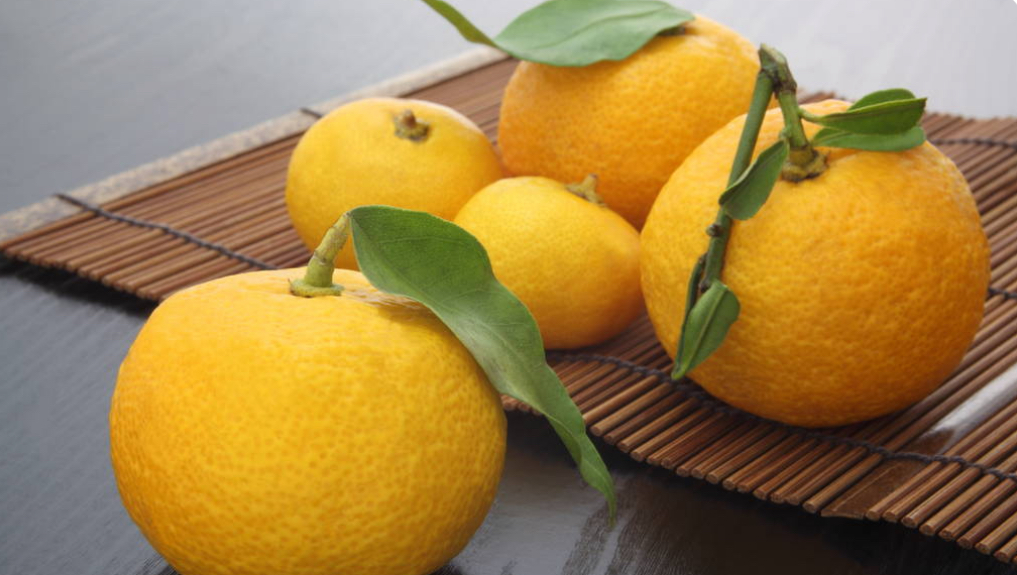
In Japan, there is a traditional custom of taking a bath with yuzu (Japanese citrus) peels on the day of the winter solstice. This practice is known as Yuzu-yu and is said to warm the body and help prevent colds.
Yuzu has a strong, refreshing aroma and is believed to promote circulation, relieve coldness, and induce relaxation. There is even a saying that “if you take a yuzu bath on the winter solstice, you won’t catch a cold for the entire year.”
In addition, yuzu baths are thought to ward off misfortune and negative energy. Since ancient times, strongly scented plants have been believed to dispel negative influences. The winter solstice, being the day with the shortest daylight of the year, represents the peak of yin energy, and the yuzu bath is also seen as a way to cleanse both body and mind.
As a side note, there is also a bit of wordplay and good-luck symbolism behind this custom:
• Toji (winter solstice) shares the same pronunciation as toji, meaning therapeutic hot-spring bathing
• Yuzu sounds like yūzū, meaning flexibility or adaptability
From this wordplay comes the wish that “the body will be healed and good fortune will flow smoothly.”
From the perspective of Oriental medicine and traditional health preservation, winter is the season of the kidneys, when their activity becomes more pronounced. In other words, it is also a time when the kidneys can be more easily overburdened. The winter solstice marks a turning point, when yang energy is reborn. Warming the body and nourishing the kidneys—the source of vitality—is therefore considered an especially beneficial practice.
During the holiday season, it is easy to overeat and overdrink, which can impair digestive function. Excessive consumption of cold foods and beverages may further weaken kidney function. We encourage you to be mindful of portion sizes and to avoid excessive intake of foods and fruits that cool the body.
Through this message from The Centre for Japanese Acupuncture, we hope to share insights that support digestion, circulation, and kidney vitality, helping the body reset and restore balance during this demanding season.
We sincerely wish that 2026 will be a wonderful, healthy, and fulfilling year for each and every one of you.